
Why Eye Dryness Symptoms Worsen In Winter
Winter is one of the most common times for patients to seek help for eye dryness symptoms, as colder weather and environmental changes can disrupt the delicate balance of the tear film. Many people assume irritation or discomfort is simply part of the season, but there are clear reasons these symptoms flare and several ways to manage them effectively with the right guidance.
Why Winter Makes Eye Dryness Symptoms Worse
During winter, the environment becomes far less hospitable to the eyes. Cold outdoor air has low humidity, which causes tears to evaporate more quickly, immediately worsening eye dryness symptoms for many individuals. When combined with strong winds, the tear film becomes even more vulnerable, stripping away moisture faster than the eye can replenish it. Indoors, central heating dries out the air further, creating a significant contrast that leads to fluctuating comfort and an increased sense of irritation.
Common Symptoms To Look Out For
Understanding which sensations indicate a tear film imbalance is essential, especially in winter. Many people experience stinging, burning, grittiness or a feeling that something is stuck in the eye. Others notice blurred vision that comes and goes throughout the day, particularly after prolonged screen use or time spent outdoors. These eye dryness symptoms can also present as excessive watering — a common but confusing response to dryness, as the eyes attempt to overcompensate with reflex tears that lack the oils needed for proper lubrication.
How Lifestyle & Health Factors Play A Role
While the weather is a major trigger, other factors can intensify eye dryness symptoms during the colder months. Reduced natural light leads to increased screen time, whether working indoors, scrolling on handheld devices or spending evenings in front of the television. This reduces blinking frequency, causing tears to evaporate more quickly.
Health factors also play a part. Hormonal changes — especially during perimenopause and menopause — can affect tear production and stability. Certain medications, including antihistamines or antidepressants, may also contribute to dryness. Contact lens wearers and those who commute long distances in cold, windy conditions tend to find winter particularly challenging.
Winter-Friendly Tips To Protect Your Tear Film
Supporting your eyes through the winter months doesn’t have to be complicated. Using a humidifier at home can help counteract the drying effects of central heating. Warm compresses, used regularly, can improve oil gland function and help stabilise the tear film. Regular screen breaks — ideally following the 20-20-20 rule — reduce strain and evaporation. For some, omega-3 supplementation may improve tear quality. These simple steps won’t cure eye dryness symptoms, but they can make day-to-day life more comfortable during harsher weather.
When To See A Specialist
If winter comes with persistent discomfort, blurred vision or signs of inflammation, it’s worth seeking professional advice. Ongoing eye dryness symptoms that do not improve with home care may indicate an underlying issue such as meibomian gland dysfunction, ocular surface inflammation or chronic tear deficiency. A specialist assessment ensures a tailored plan that targets the exact cause rather than just the symptoms.
Expert Treatment Options With Dr Priya
Dr Priya offers advanced, evidence-based treatment options designed to target the root causes of dryness and restore long-term comfort.
Envision Dry Eye Treatment
Envision uses targeted energy to improve the function of the meibomian glands — the oil-producing glands responsible for stabilising the tear film. For many patients whose eye dryness symptoms stem from gland blockage or dysfunction, this treatment can provide exceptional relief by restoring the natural oils essential for healthy tears.
Forma-I RF Periocular Rejuvenation
Forma-I delivers gentle radiofrequency energy to the periocular area, warming and softening the meibomian glands to improve oil flow. This not only supports tear stability but also enhances overall eyelid health, making it a valuable treatment for individuals experiencing winter-related irritation.
Comprehensive Ophthalmic Consultation
Winter may be a challenging season for the eyes, but understanding why eye dryness symptoms worsen and knowing how to protect your tear film can make a significant difference. A detailed consultation with Dr Priya Udani allows for an in-depth evaluation of tear quality, gland function and ocular surface health. This ensures that the chosen treatment path directly addresses the cause of your eye dryness symptoms, rather than simply easing them temporarily.
With expert support and advanced treatment options available, long-lasting comfort is achievable. To explore personalised solutions and safeguard your eye health throughout the colder months, consider booking a consultation with Dr Priya at her dedicated eye clinic.
Get in touch to book a consultation and follow us on Instagram for more!

Related Articles
-
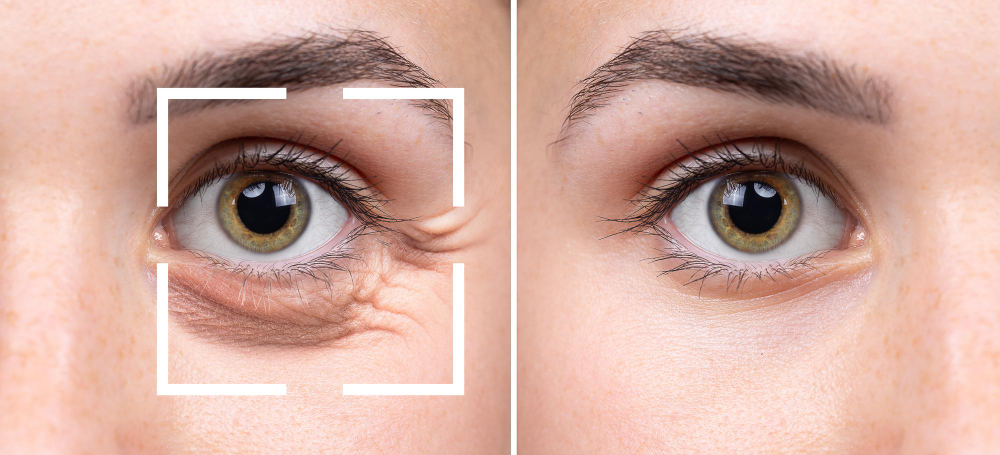
Before Eye Bag Surgery, Consider What’s Actually Causing Them
Eye bags are one of those facial changes that can creep up gradually. You may first notice them in photographs,…
-
What Can Non Surgical Blepharoplasty Really Achieve?
Have you started noticing changes around the eyes but aren’t ready to consider surgery? Search online and you’ll find non…
-

Eye Treatments: Why The Right Diagnosis Matters More Than The Treatment Itself
Successful eye treatments don’t start with choosing a device or injectable, they start with understanding what’s really happening around the…