Before Eye Bag Surgery, Consider What’s Actually Causing Them
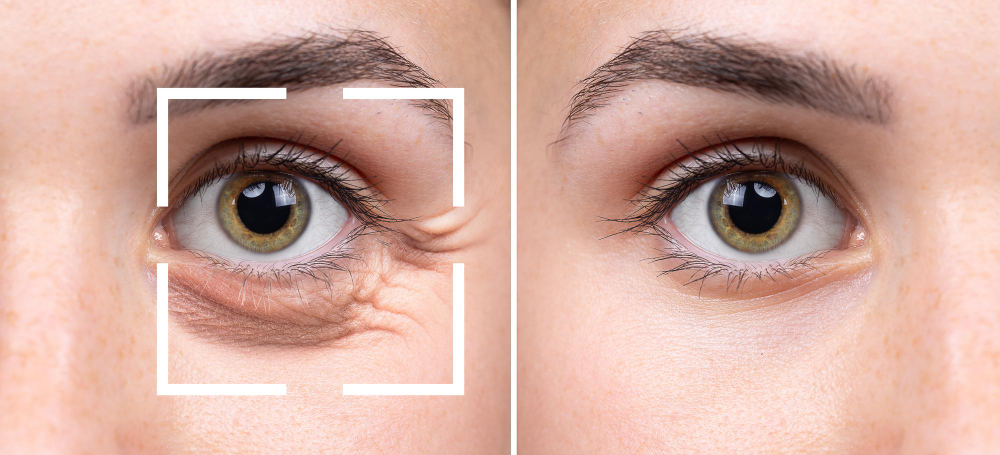
Eye bags are one of those facial changes that can creep up gradually. You may first notice them in photographs, then catch yourself looking tired in the mirror even after a good night’s sleep. Eventually, you might start thinking about eye bag surgery because concealer and eye creams no longer seem to make much difference.
But before deciding on surgery, it is worth asking a more useful question: what is actually causing the bags?
National Eye Health Week 2026 runs from 21–27 September and encourages us to take a more proactive approach to looking after our eyes. While lower eyelid bags are often an aesthetic concern, the eye area is also a complex piece of anatomy where appearance and function can overlap.
Eye Bag Surgery Isn’t Always The Answer
When people talk about “eye bags”, they can actually be describing several different things. Ageing can alter the skin, muscles and supporting tissues around the lower eyelid, while changes in the fat compartments beneath the eye can create a persistent bulge. Some people also have naturally prominent lower eyelids that become more noticeable over time.
Then there is puffiness, which can fluctuate. A late night, allergies, fluid retention or irritation may make the area look significantly different from one morning to the next.
This is why eye bag surgery shouldn’t be approached as a one-size-fits-all solution. Lower blepharoplasty can address certain structural changes, including excess skin and prominent or displaced fat, but it isn’t necessarily the appropriate treatment for every type of under-eye swelling.
What Is Actually Making Your Eyes Look Tired?
A consultation should establish whether the concern is skin, fat, fluid, pigmentation, hollowness or a combination.
For example, a patient may believe they have prominent eye bags when the main issue is actually a hollow beneath the lower eyelid. The shadow created by that hollow can make the area appear darker and more tired without there being a significant amount of excess tissue to remove.
Another patient may have relatively little puffiness but noticeable loose skin. In that situation, the treatment conversation is very different.
Dr Priya’s background as an oculoplastic surgeon means she can assess these structures rather than simply treating what is visible on the surface. That distinction becomes particularly important when considering eye bag surgery, where achieving a natural result depends on understanding the anatomy underneath the skin.
Why National Eye Health Week Is A Good Time To Look Beyond Appearance
National Eye Health Week is about protecting vision and encouraging people to take eye health seriously. Regular sight tests are an important part of this, as eye examinations can identify problems that may otherwise go unnoticed.
That same mindset is useful when considering cosmetic procedures around the eyes. The eyelids aren’t simply an aesthetic frame for the face; they protect the surface of the eye and play an important role in maintaining comfortable, healthy eyes.
This is one reason specialist assessment matters before eye bag surgery. Someone considering lower eyelid surgery should have the area assessed with its function in mind, particularly if they already experience dryness, irritation or other ocular symptoms.
When Eye Bag Surgery May Be Appropriate
For some patients, surgery really is the most effective option. If ageing has resulted in significant excess lower eyelid skin or prominent fat that creates persistent bags, lower blepharoplasty can be used to improve the contour of the area.
The objective isn’t simply to make the bags disappear. Dr Priya’s approach focuses on creating a smoother transition between the lower eyelid and cheek while respecting the natural anatomy of the face.
That is an important distinction. Around the eyes, more treatment does not automatically mean a better result. Removing too much tissue can create its own problems, which is why careful assessment and surgical planning are so important.
Sometimes The Answer Isn’t Surgery
Not every patient who asks about eye bag surgery needs an operation.
If the primary concern is skin quality or mild laxity, non-surgical options may be worth discussing. Treatments such as Forma-I radiofrequency can stimulate collagen and improve firmness, while other approaches may be considered where pigmentation, fine lines or skin quality are contributing to the appearance of the area.
The right option depends on the cause. There is little point using a skin-tightening treatment to correct a prominent fat pad, just as removing fat will not necessarily resolve pigmentation or thin, crepey skin.
A Consultation Should Always Come First
Perhaps the most useful thing you can do before researching eye bag surgery is to stop trying to diagnose yourself from photographs and book a specialist assessment.
Dr Priya combines expertise in ophthalmology, oculoplastic surgery and aesthetic medicine, allowing her to look at both the function and appearance of the eye area. She can determine what is contributing to your concern, discuss whether surgery is appropriate and explain what other options may be available.
This National Eye Health Week, it is worth remembering that looking after your eyes isn’t only about how they look. If you’re considering eye bag surgery, start by understanding what’s actually causing the change you’re seeing. The right treatment should follow the diagnosis, not the other way around.
Book a consultation with Dr Priya Udani at Aesthetic Visual Result today.

Related Articles
-
What Can Non Surgical Blepharoplasty Really Achieve?
Have you started noticing changes around the eyes but aren’t ready to consider surgery? Search online and you’ll find non…
-

Eye Treatments: Why The Right Diagnosis Matters More Than The Treatment Itself
Successful eye treatments don’t start with choosing a device or injectable, they start with understanding what’s really happening around the…
-

Why Under Eye Rejuvenation Isn’t One-Size-Fits-All
One of the reasons under eye rejuvenation can be so confusing is that people often use the same words to…